When the pelvic floor will not let go: urgency without incontinence
This in-depth article explains how urgency, voiding difficulties and a persistently tense pelvic floor may be connected – including an interactive personal check.
Individual · functional · practical
Understand your symptoms, recognise connections and regain confidence in everyday life – for women and men, in person in Mallorca or supported online.
Medical assessment and physiotherapy meaningfully combined

Quickly find the right information
One click opens the explanation directly below.
Understanding symptoms
LUTS is an umbrella term for symptoms during bladder storage, voiding and immediately afterwards. Causes vary, which is why medical assessment comes first.
Bladder & urgency
The main feature is sudden, difficult-to-defer urgency, usually with increased daytime frequency and/or night-time urination, with or without urine leakage.
Continence
Leakage may occur with coughing, sneezing or sport, may be triggered by strong urgency, or may combine both patterns. Appropriate treatment depends on the cause and situation.
Preparation & rehabilitation
Good preparation makes it easier to identify the correct muscles. After surgery, training is adapted to healing, continence and daily activities.
Relax & coordinate
The pelvic floor can be weak, but it can also remain overly tense. In that situation, more strengthening is not automatically the right answer.
Stability in daily life
Pressure, pulling or heaviness may create uncertainty in daily life and sport. After medical assessment, adapted training may support capacity and confidence.
Use feedback
Biofeedback can display muscle activity visually. This may help some people distinguish contraction, relaxation and the right training intensity.
Train flexibly
For travel and life outside Spain, the online programme combines an individual exercise plan with clear instructions, progress reviews and direct chat.
Our approach
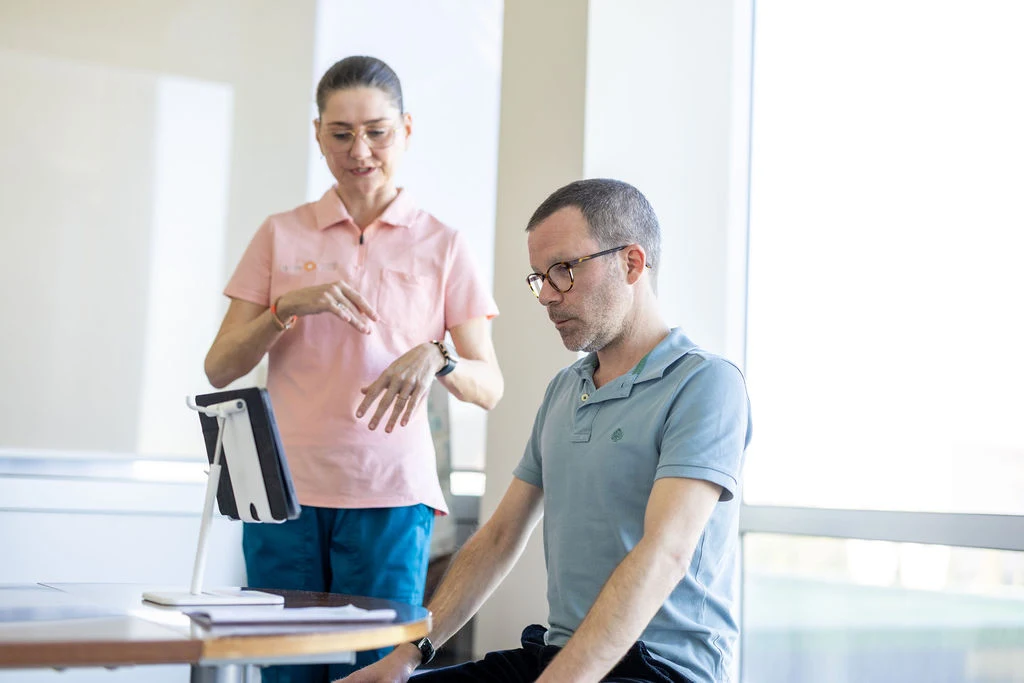
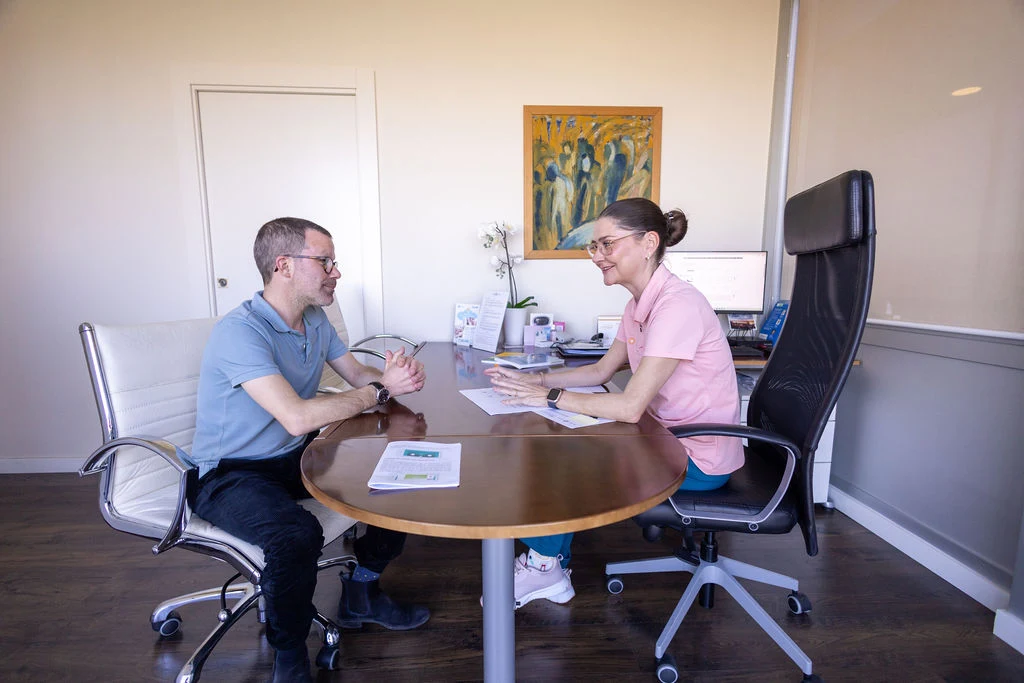
Discuss symptoms, daily life and goals, and meaningfully include medical findings.
Distinguish contraction from relaxation and control both without compensatory movement.
A personal plan for daily life, sport, preparation or rehabilitation.
Integrate the new strategy into walking, lifting, coughing, toileting and exercise.
The three pillars of pelvic floor therapy
Feeling the pelvic floor and activating it deliberately is the most important foundation for consciously controlling contraction and relaxation.
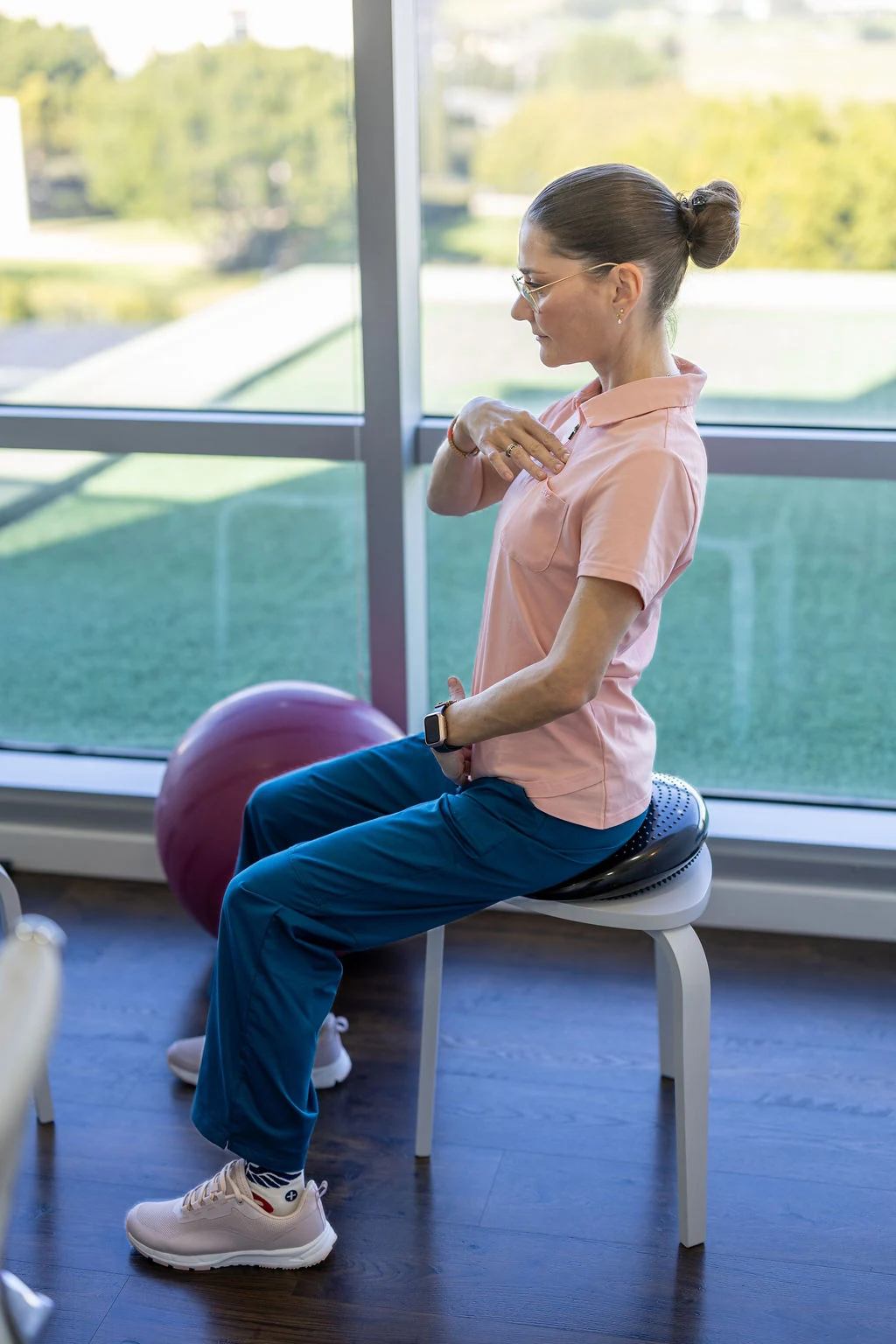
The diaphragm and pelvic floor work together. Calm, functional breathing supports relaxation, protects against unnecessary pressure in the abdomen and improves activation.
An upright, stable posture reduces strain on the pelvic floor and helps it work automatically and effectively in everyday life.
A look at therapy

Knowledge that helps
 Feature article · LUTS
This in-depth article explains how urgency, voiding difficulties and a persistently tense pelvic floor may be connected – including an interactive personal check.
 OAB
How urgency, frequent urination and preventive toilet visits can form a cycle.
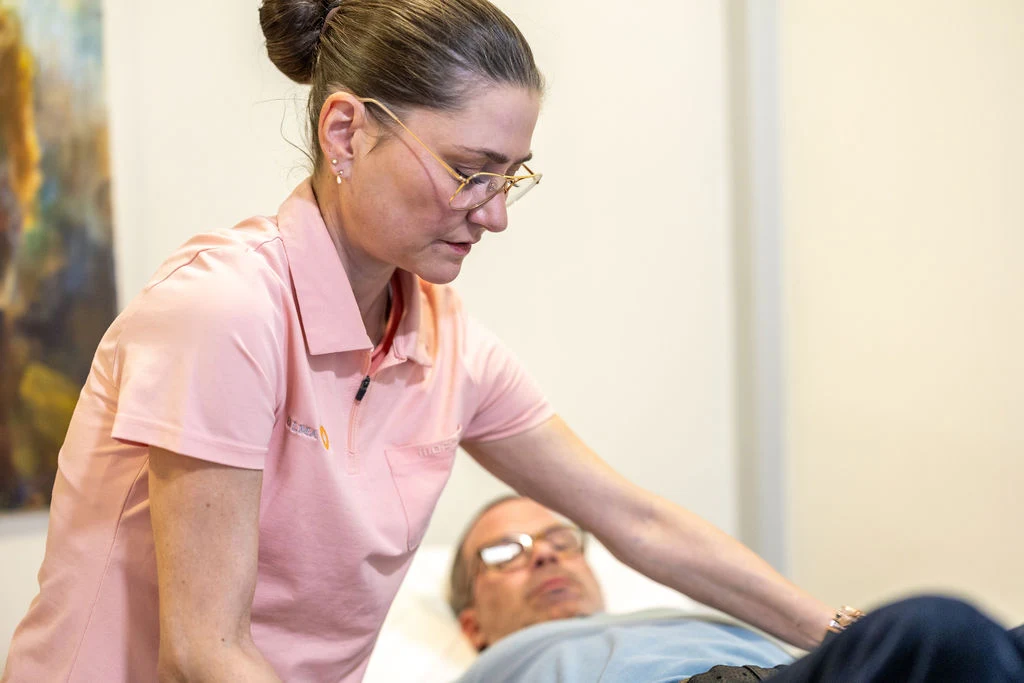 Tension
Why relaxation, breathing and coordination may matter for pain or voiding problems.
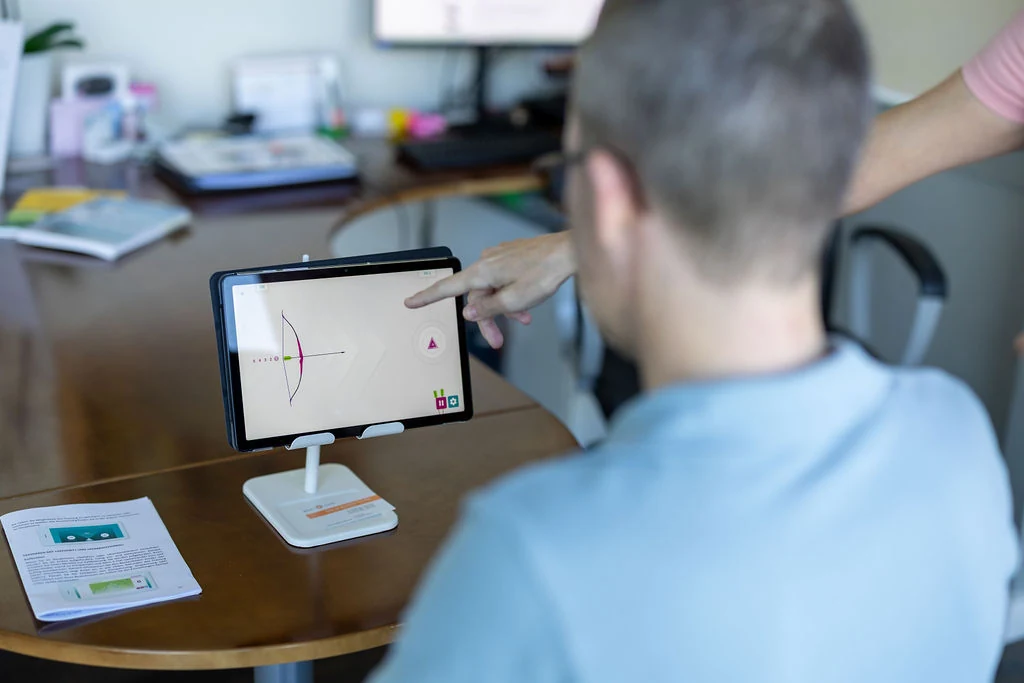 Prostate surgery
How awareness, technique and well-dosed training may support rehabilitation.
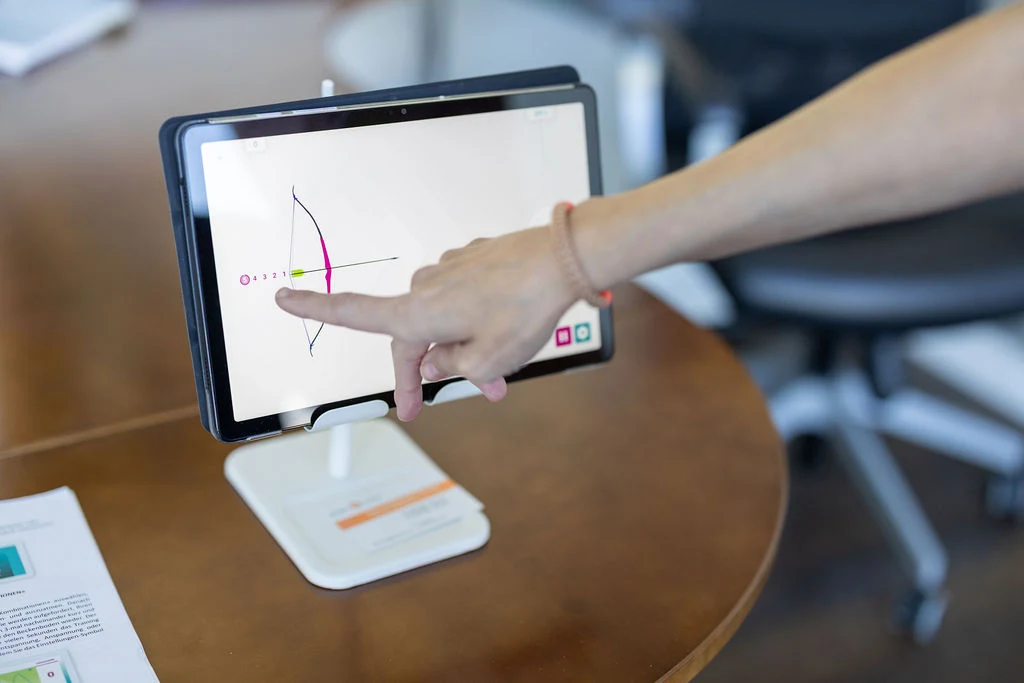 Biofeedback
Feedback that can help clarify contraction, relaxation and training intensity.
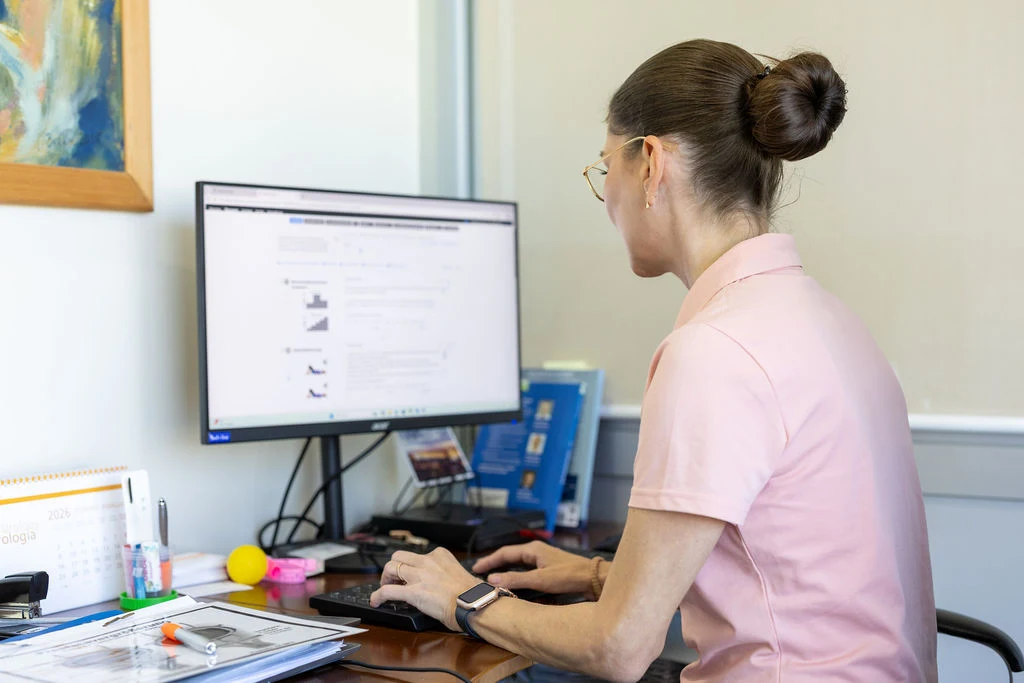 Online
For travel and life outside Spain: exercises, progress and questions remain connected.

Your physiotherapist

Connected across disciplines
Flexible support
Individually selected exercises instead of generic plans
Videos and clear instructions for independent training
Chat for questions and targeted adjustments
Monitor progress – regardless of location or travel plans
Frequently asked questions
Medical assessment is important for new, unclear or worsening symptoms. It helps identify possible causes and plan physiotherapy safely and specifically.
No. Depending on the findings, relaxation may be just as important as strength. Therapy also addresses awareness, coordination, breathing, pressure control and transfer into daily life or sport.
Yes. Common topics include symptoms before or after prostate surgery, incontinence, urgency, voiding difficulties, pelvic pain or an overactive pelvic floor.
Online support can be especially useful for follow-up, everyday training and questions. Whether an in-person assessment is advisable at the beginning is discussed individually.
Next step
